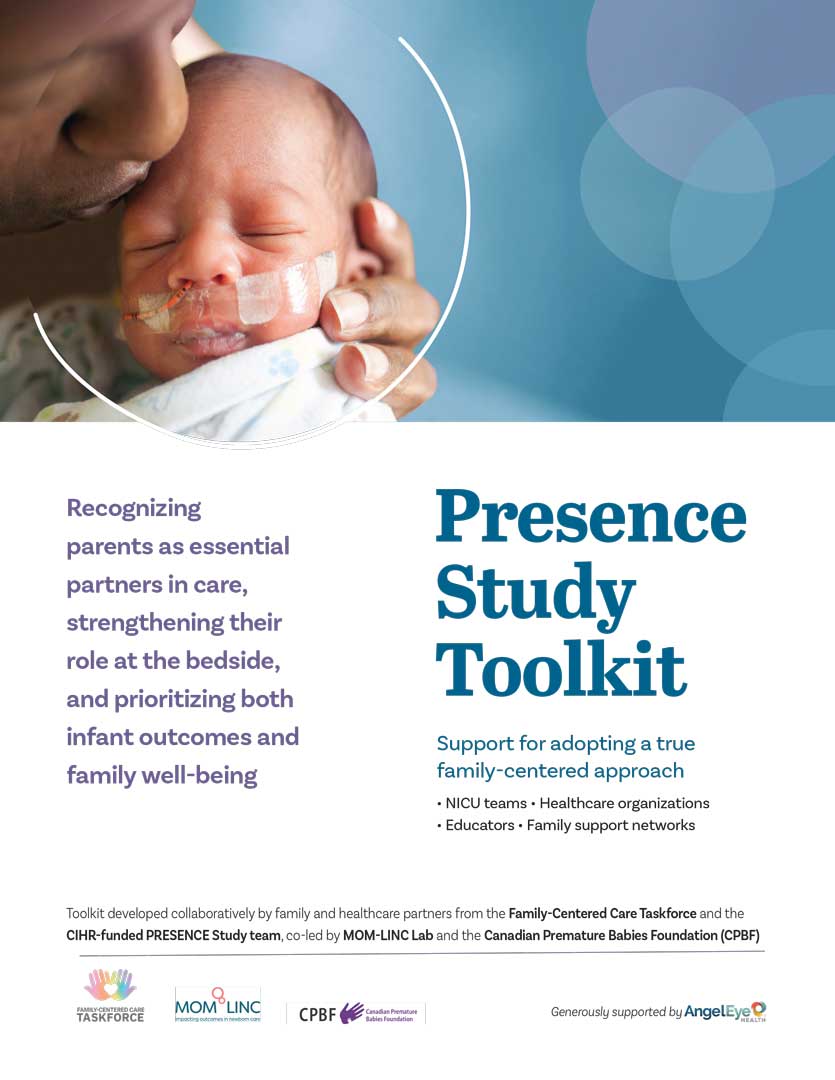
Presence Study Toolkit
Support for adopting a true family-centered approach
Presence Study Toolkit
Support for adopting a true family-centered approach
- NICU teams
- Healthcare organizations
- Educators
- Family support networks
Recognizing parents as essential partners in care, strengthening their role at the bedside, and prioritizing both infant outcomes and family well-being
Starting together: How this toolkit supports your work
The introductory chapter is long because the work behind it is profound.
The Presence Study brought together families, clinicians, researchers, and decision makers across Canada to examine the impact of parent–infant separation in the NICU and to build consensus on the thirteen recommendations that anchor this toolkit.
These findings represent the strongest, most comprehensive information available on this topic, shaped with great care by experts and families who lived it.
We’ve structured the toolkit so that you can engage with the content at whatever depth you need in the moment.
• Key Points – short, essential takeaways to scan in seconds
• Right-hand column highlights and key insights – practical reminders from chapter content
• Full text – background, evidence, and concrete actions
Each chapter was co-written by a parent and healthcare professional, and follows a consistent structure.
• Awareness – a brief educational background and why the recommendation matters.
• Assessment – guiding questions to help leaders and teams evaluate their current practice and identify gaps.
• Action – practical steps to support implementation, with a focus on achievable changes that strengthen family presence.
This structure makes it easy to understand the “why”, the “what”, and the “now what” in a clear, approachable way.
Whether you are a
bedside clinician, a
leader guiding policy,
or a family partner
helping shape
improvements,
this toolkit is
built to support
you. The work of
strengthening
parental presence
is shared work, and
we are truly better
when we do it
together.
This toolkit was developed collaboratively by family and healthcare partners from the Family-Centered Care Taskforce. Development was informed by findings from the Presence Study, funded by the Canadian Institutes of Health Research (CIHR), co-led by the MOM-LINC Lab (Mechanisms, Outcomes, Mobilization of maternally Led Interventions in Newborn Care) and the Canadian Premature Babies Foundation.
Building on the collective work of the Presence Study, the toolkit translates key findings and lived experiences – organized around the 13 consensus recommendations from the study – into practical guidance that hospitals and care teams can use to strengthen policies, improve consistency, and place families at the center of NICU care.
Its goal is to support NICUs in adopting a true family-centered approach that recognizes parents as essential partners in care, strengthens their role at the bedside, and prioritizes both infant outcomes and family well-being.
While designed for broad use, the toolkit is directed toward two key audiences: (1) NICU and hospital leaders with the authority to implement systemic change, and (2) NICU families and staff who can advocate for meaningful improvements.
Table of Contents


View Simple Chapter List
Introduction: Why are we talking about presence?
For parents, few experiences are more distressing than being apart from their newborn, yet this is often the reality when a preterm or critically ill infant requires care in the neonatal intensive care unit (NICU).
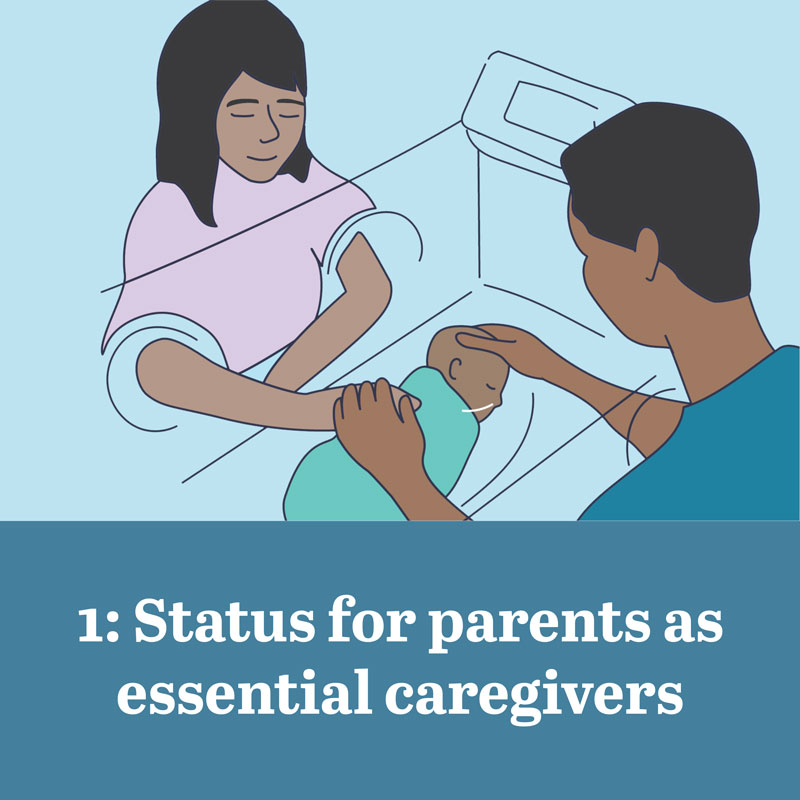
1: Status for parents as essential caregivers
The bond between a parent and their infant is unlike any other. Infants and their parents are biologically co-regulated, deeply intertwined in ways that science continues to reveal.
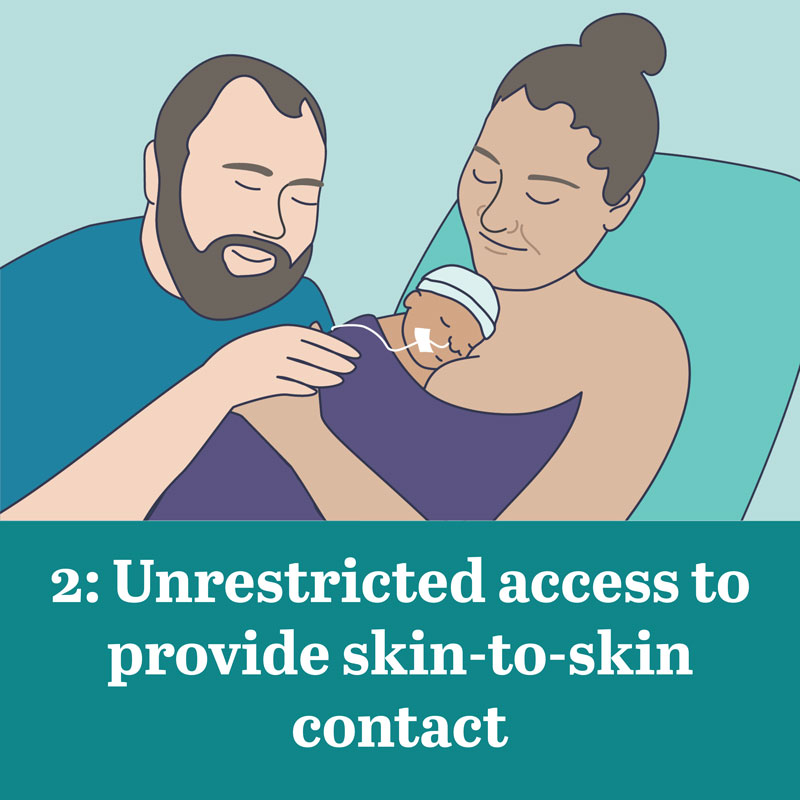
2: Unrestricted access to provide skin-to-skin contact
(kangaroo care) for their infant in the NICU
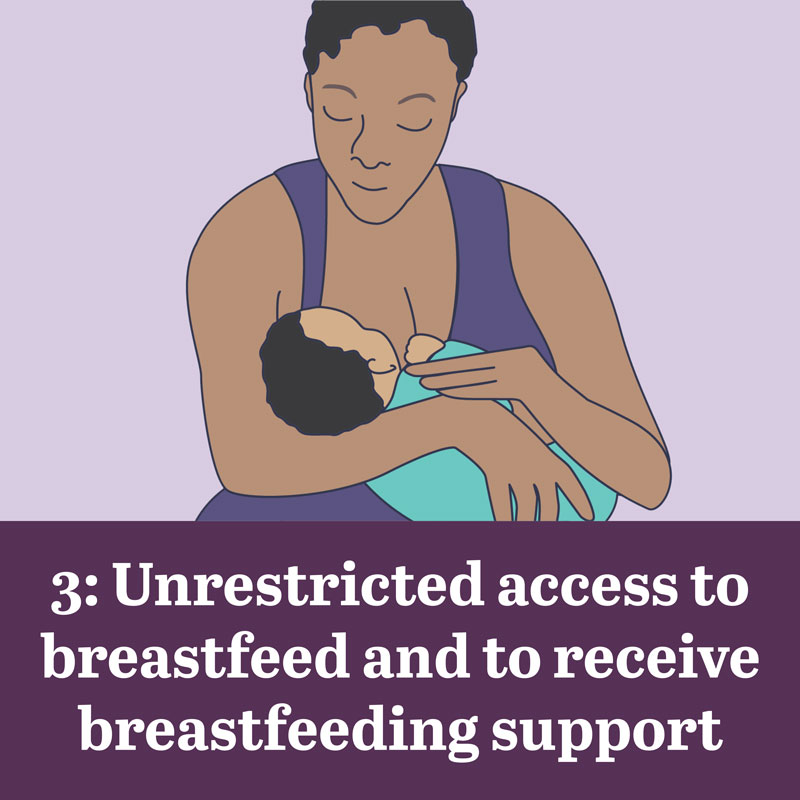
3: Unrestricted access to breastfeed and to receive breastfeeding support
(including early hand expression, pumping support and supplies, encouragement, and lactation support) for their infant in the NICU.
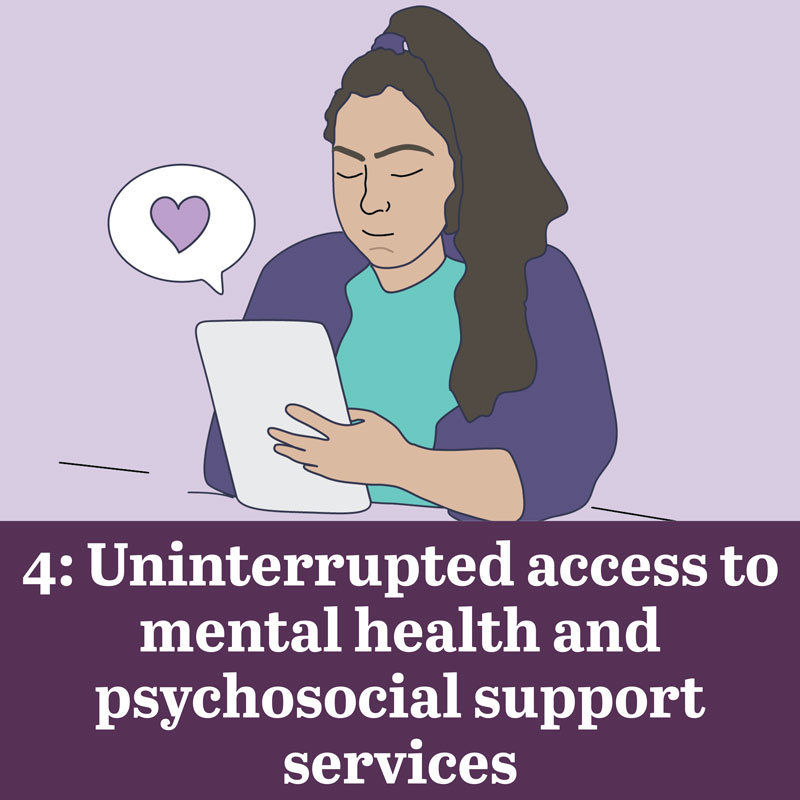
4: Uninterrupted access to mental health and psychosocial support services
while their infant is admitted to the NICU. Virtual care services may be preferred, based on the local context or if parent need/parent preference warrants it.
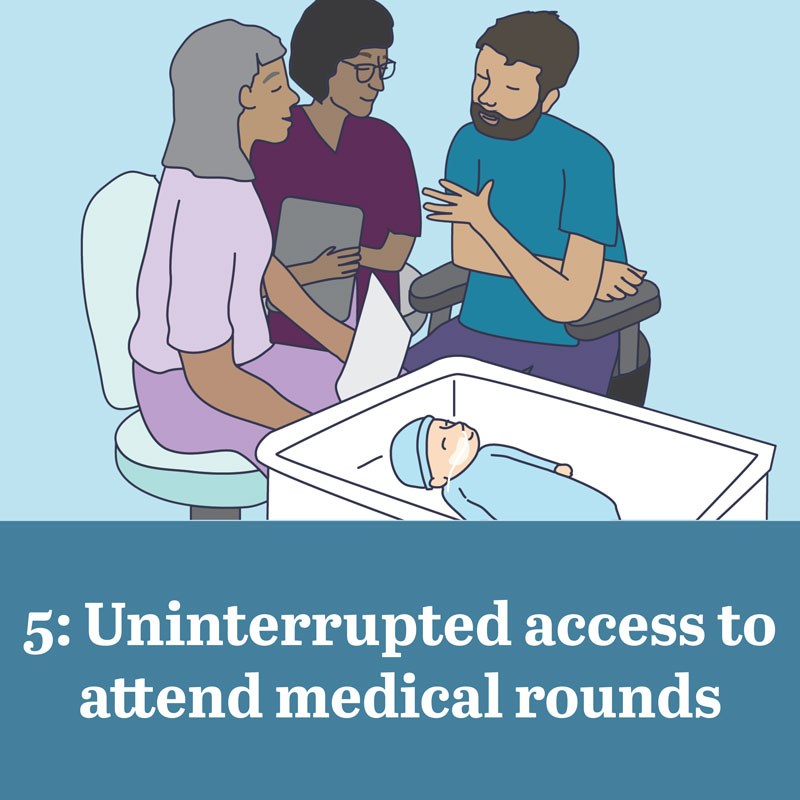
5: Uninterrupted access to attend medical rounds
while their infant is admitted to the NICU. Virtual care services may be preferred, based on the local context or if parent need/parent preference warrants it.
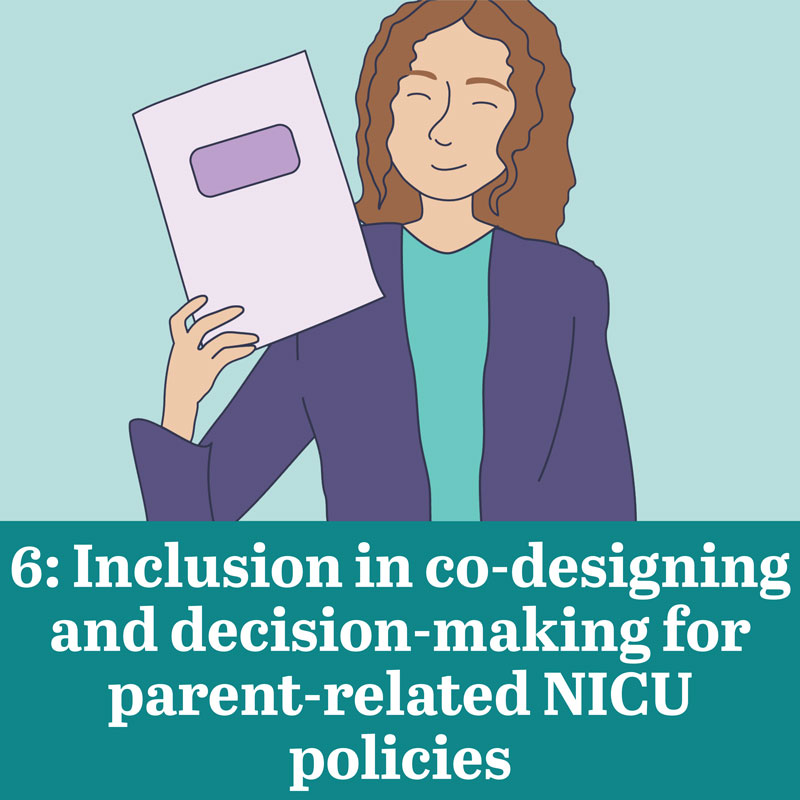
6: Inclusion in co-designing and decision-making for parent-related NICU policies
(e.g., infection control, response planning) including NICU family partners and advocates.
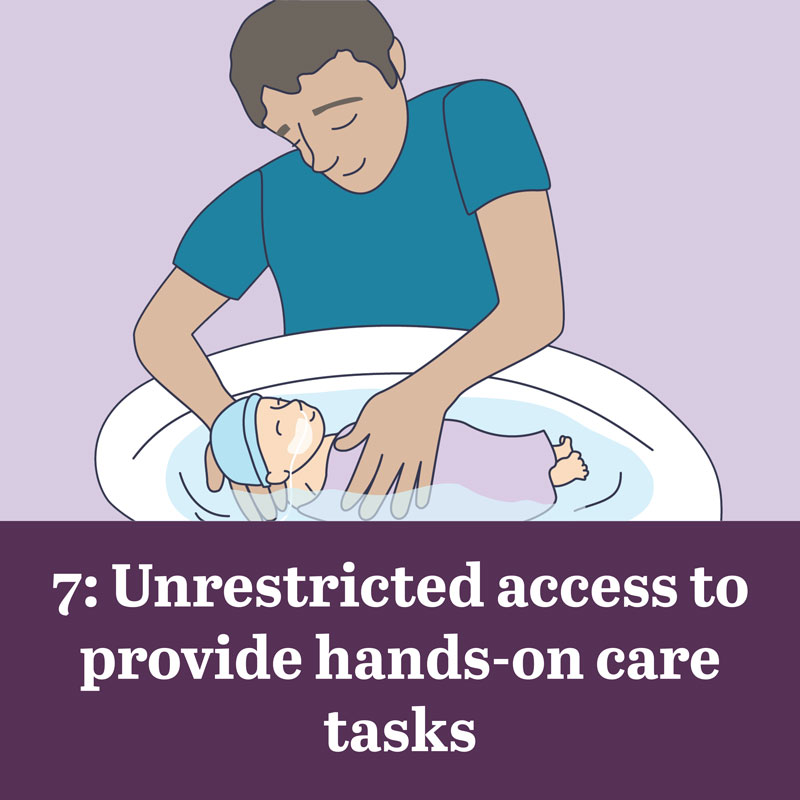
7: Unrestricted access to provide hands-on care tasks
for their infant in the NICU.
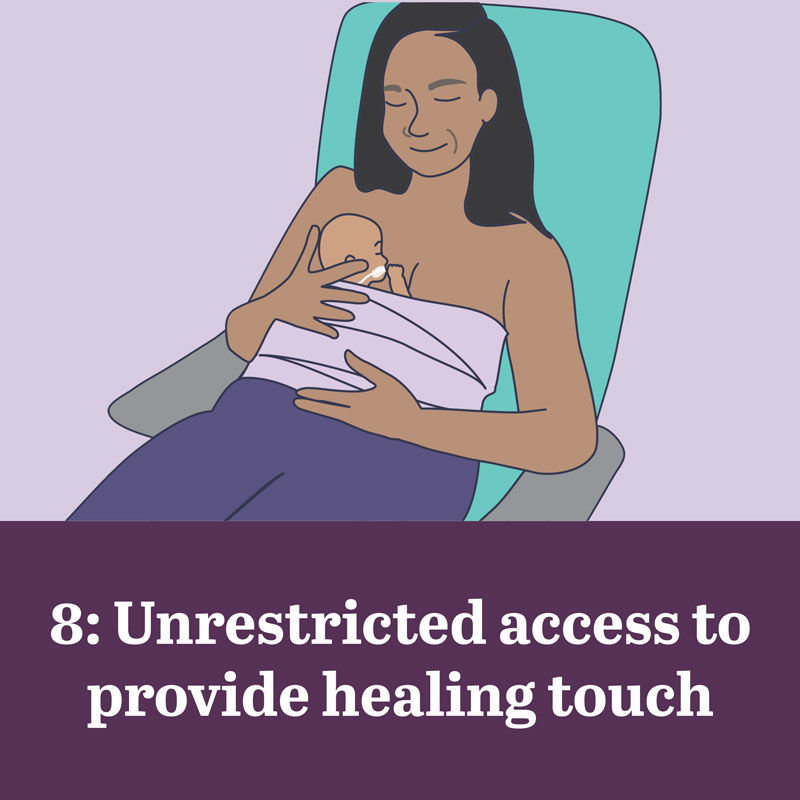
8: Unrestricted access to provide healing touch
for their infant in the NICU.
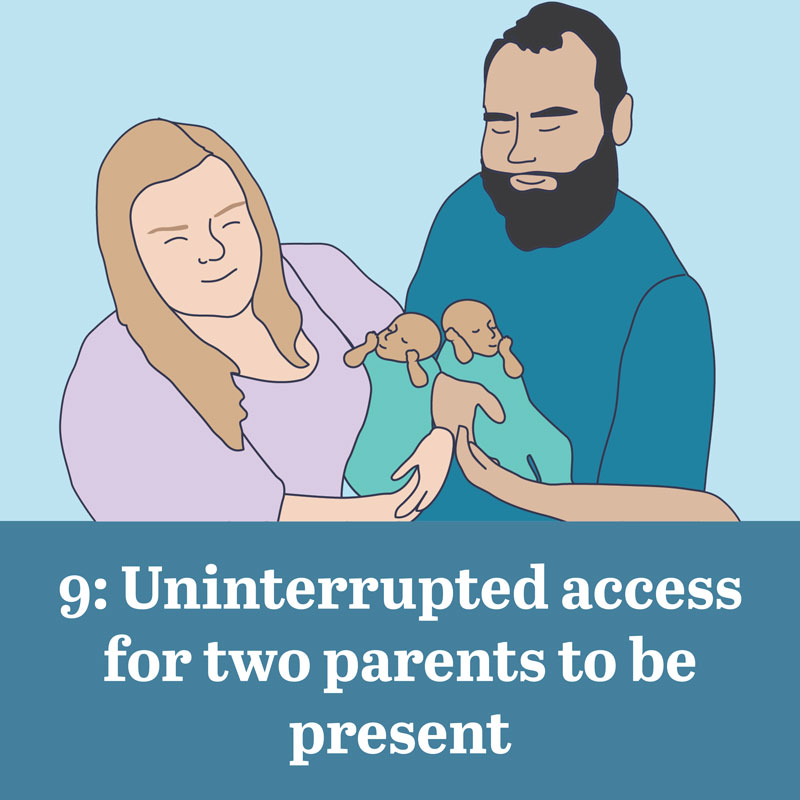
9: Uninterrupted access for two parents to be present
while their infant is admitted to the NICU.
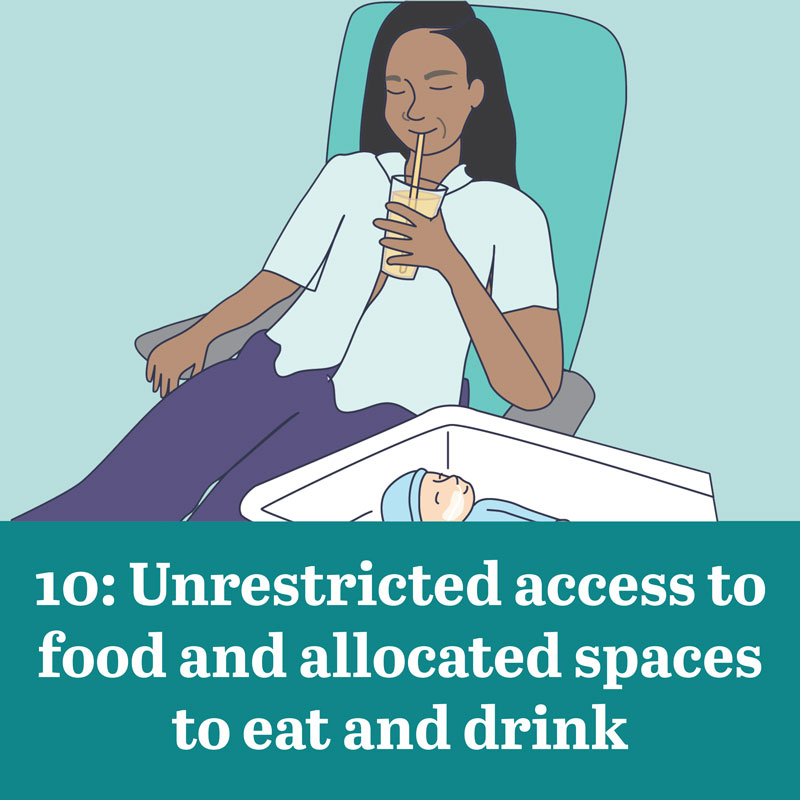
10: Unrestricted access to food and allocated spaces to eat/drink
while their infant is admitted to the NICU.
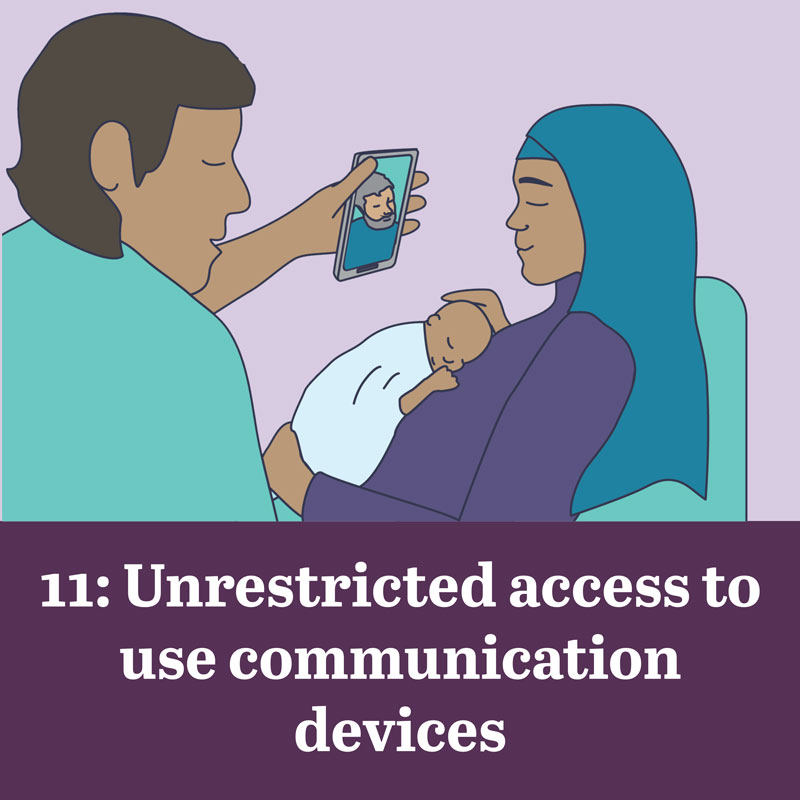
11: Unrestricted access to use communication devices
(their own or hospital devices) for remote connectedness and support (with partners, family, peers, etc.) while parents are in the NICU with their infant.
Broader family members (siblings, grandparents), Crisis management (hospital policies need to change, not just NICU policies), Families with Non-English Language Preference (access to interpreters, use of mobile devices for translation)
Toolkit developed collaboratively by family and healthcare partners from the Family-Centered Care Taskforce and the CIHR-funded PRESENCE Study team, co-led by MOM-LINC Lab and the Canadian Premature Babies Foundation (CPBF)


A Word from the FCC Taskforce Founder & Executive Director
We are thrilled to release this practical toolkit supporting parental presence in the NICU. Families of hospitalized infants experience profound stress, trauma, and separation as they leave their babies behind in the hospital each day. During the COVID-19 pandemic, restrictions on parental presence in NICUs across the world intensified the challenges families already face, and highlighted the essential role parents play in the care and well-being of their infants.
I first learned of the Presence Study’s 13 recommendations protecting parental presence in the NICU from Fabiana Bacchini during a Family-Centered Care (FCC) Taskforce collaborative meeting. It was encouraging to see evidence-based recommendations developed to help guide NICUs in protecting families during future crises and beyond. At the same time, as someone deeply focused on implementation, I recognized that recommendations alone are not enough. Healthcare teams also need practical guidance, tools, and examples to help translate these recommendations into everyday practice.
In response to this need, our Advocacy Committee Co-Chairs, Kerri Machut and Nicole Nyberg, alongside our Director of Operations, Morgan Kowalski, our Director of Impact and Strategy, Keira Sorrells partnered with the original authors of the Presence Study, Marsha Campbell-Yeo and Fabiana Bacchini, to lead the development of this toolkit as its primary authors. In collaboration with FCC Taskforce Executive Council members, they helped transform the recommendations into actionable strategies and practical resources for NICUs and healthcare teams.
Over the course of 18 months, 23 volunteer expert authors across the U.S. and Canada contributed to this toolkit. Each chapter was intentionally co-developed by both family and healthcare partners from our Executive Council and subsequently peer reviewed by additional family partners and clinician volunteers. The primary authors and FCC Taskforce Board Member, Jadene Wong, provided final editing and oversight while Kari Tiffin provided graphic design talent to bring the work to life.
One of the greatest strengths of this work is the multidisciplinary collaboration that shapes every section of the toolkit. Family partners, clinicians, researchers, advocates, and healthcare leaders brought their unique expertise and lived experiences together to ensure the content reflects both clinical realities and family perspectives.
I am deeply grateful for the extraordinary volunteer commitment, passion, and generosity of all the contributors who dedicated their time and expertise to this work. Their collective efforts reflect a shared belief that parental presence in the NICU is not optional—it is essential. I also want to acknowledge AngelEye Health for their support in increasing the visibility and reach of this toolkit through sponsorship of its publication.
We hope that this toolkit serves as a practical, compassionate, and actionable resource for NICUs seeking to strengthen family-centered care and protect the essential role of parents and caregivers in the lives of hospitalized infants.

Malathi Balasundaram, MD
FCC Taskforce Founder & Executive Director
Presence Study Toolkit Authors
Meet the experts, clinicians, researchers, and family leaders who shaped the toolkit.
Presence Study Toolkit Champions
Explore the organizations advancing family-centered care and parental presence in the NICU.
COPYRIGHT INFORMATION
© 2026 Family-Centered Care Taskforce. Family-Centered Care Taskforce. All rights reserved. This toolkit may be reproduced and distributed freely for educational and non-commercial purposes with attribution. Any use of this content must acknowledge the Family-Centered Care Taskforce as the source. No portion of this toolkit may be altered or used for commercial purposes without prior written permission. Custom illustrations created for this project are for FCC Taskforce toolkit use only and may not be altered or reused separately.
DISCLAIMER
Readers are advised to adapt the guidelines and resources based on their local facility’s level of care and patient populations served and are also advised not to rely solely on the guidelines presented here.